El Niño 2026 to 2027 Travel Guide for Storms, Floods, and Flight Delays
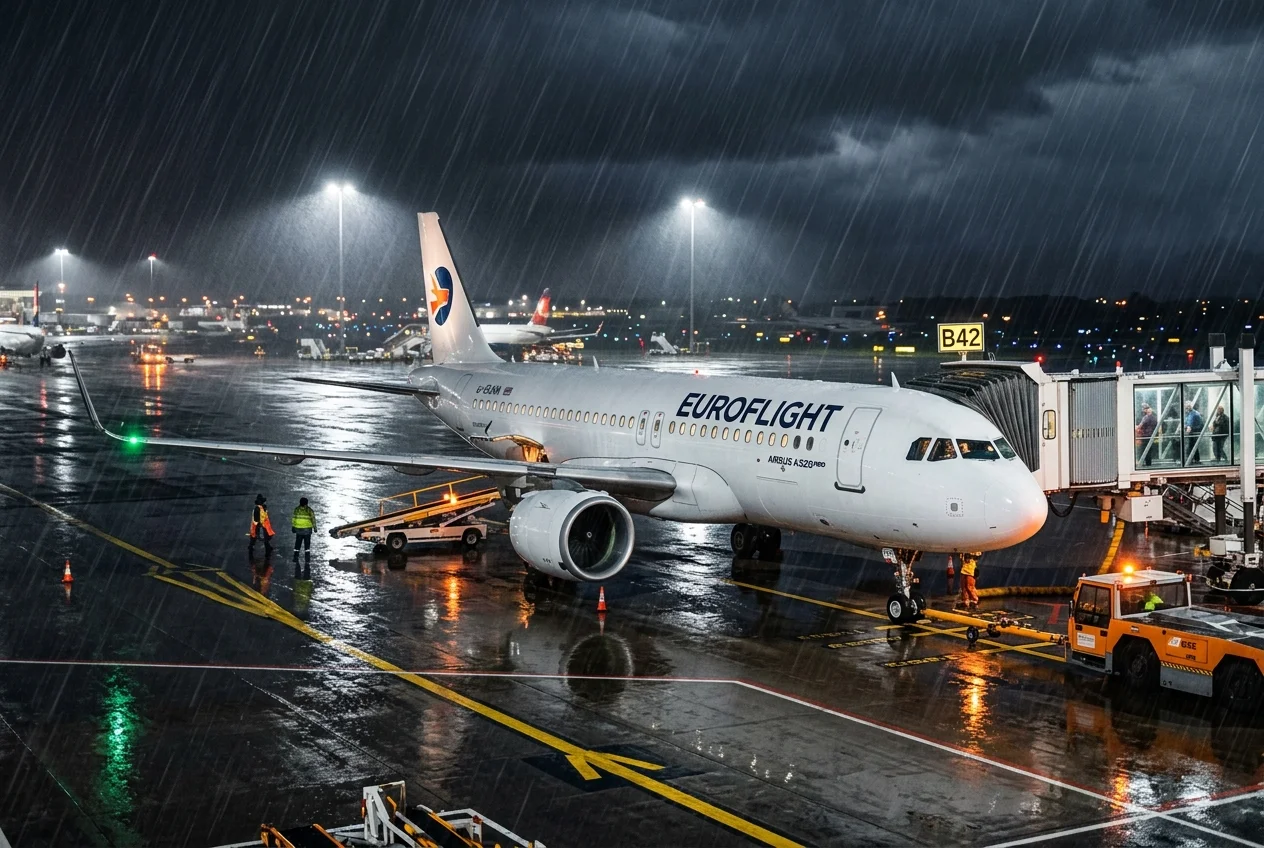
El Niño is back, and this one is already breaking records. US climate agencies confirm El Niño conditions are in place in October 2026 and expect the event to keep strengthening through the end of the year before gradually weakening in spring 2027. One October outlook describes it as potentially record breaking, with a 170 year ocean temperature record already broken.
For travelers, that means the next six to twelve months carry a higher than normal chance of storms arriving on the wrong week, flooded roads between you and the airport, and flight schedules that fall apart exactly when everyone is trying to get home for the holidays. This guide covers where the risks land, with a focus on the countries Good Trip covers, and what to do about each one.
The short answer
- El Niño is confirmed for October 2026, expected to strengthen into late 2026 and fade in spring 2027.
- The southern United States faces a cooler, wetter, stormier winter, which puts Thanksgiving and Christmas travel at higher risk of delays.
- Pacific coast Mexico and Central America face heavier rain, flash flooding, and coastal erosion through the wet season.
- Parts of Southeast Asia and Australia trend drier, which means heat and drought pressure rather than floods.
- Book refundable where it counts, leave buffer days around connections, and make sure your travel insurance actually covers weather disruption.
Where El Niño hits travelers hardest
El Niño changes probabilities, not certainties. No city is guaranteed a particular outcome. But the regional tendencies are well documented, and several sit squarely on Good Trip territory.
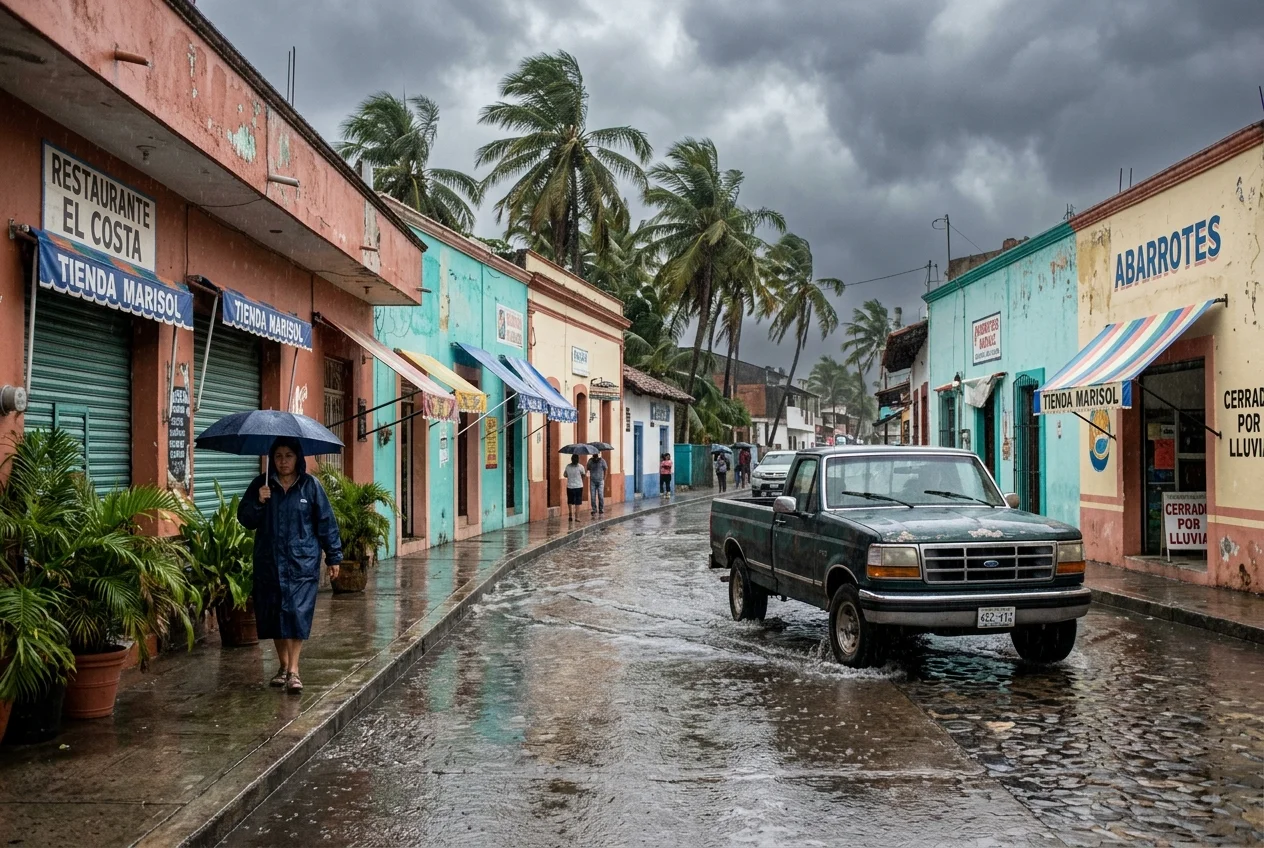
Mexico and Costa Rica. Stronger El Niño conditions through early 2027 bring an increased chance of heavy rain events, flash flooding, and coastal erosion along Pacific coast destinations in the Americas. Past events show coastal highways, smaller regional airports, and low lying resort areas are the most vulnerable, at times forcing road closures, flight diversions, or evacuations. If your itinerary includes Pacific Mexico or Central America in the coming wet season, expect a higher risk of last minute changes.
Thailand, Vietnam, and Indonesia. The signal here points the other way. Drier than average conditions are more likely across parts of Southeast Asia and the Maritime Continent. For travelers that means heat rather than floods, with possible pressure on water supplies in some areas. Plan outdoor sightseeing for early morning or evening, book accommodation with reliable cooling, and carry more water than you think you need.
Australia. Below normal rainfall looks more likely for north western Australia later in the event. If you are heading there, the same heat logic applies.
The Bahamas, Jamaica, and the Caribbean. El Niño usually suppresses Atlantic hurricane activity by increasing wind shear, and NOAA gives the 2026 season a 55 percent chance of below average activity. But Caribbean hurricane risk does not drop to zero, and drought is possible across parts of the Caribbean and Central America. Do not read a quiet hurricane season as a guarantee.
The United States. This one matters for anyone flying home for the holidays. Forecasts point to a tendency for cooler, wetter, and stormier conditions across the southern states this winter, with warmer and drier conditions in the northeast. Texas, Louisiana, Mississippi, Alabama, and California face the highest risk of flooded roads, reduced visibility, and weather related flight delays during peak holiday travel. Climate scientist Richard Allan of the University of Reading notes this split follows the pattern of past events, though he stresses it is still early and regional outcomes can vary.
What it does to flights
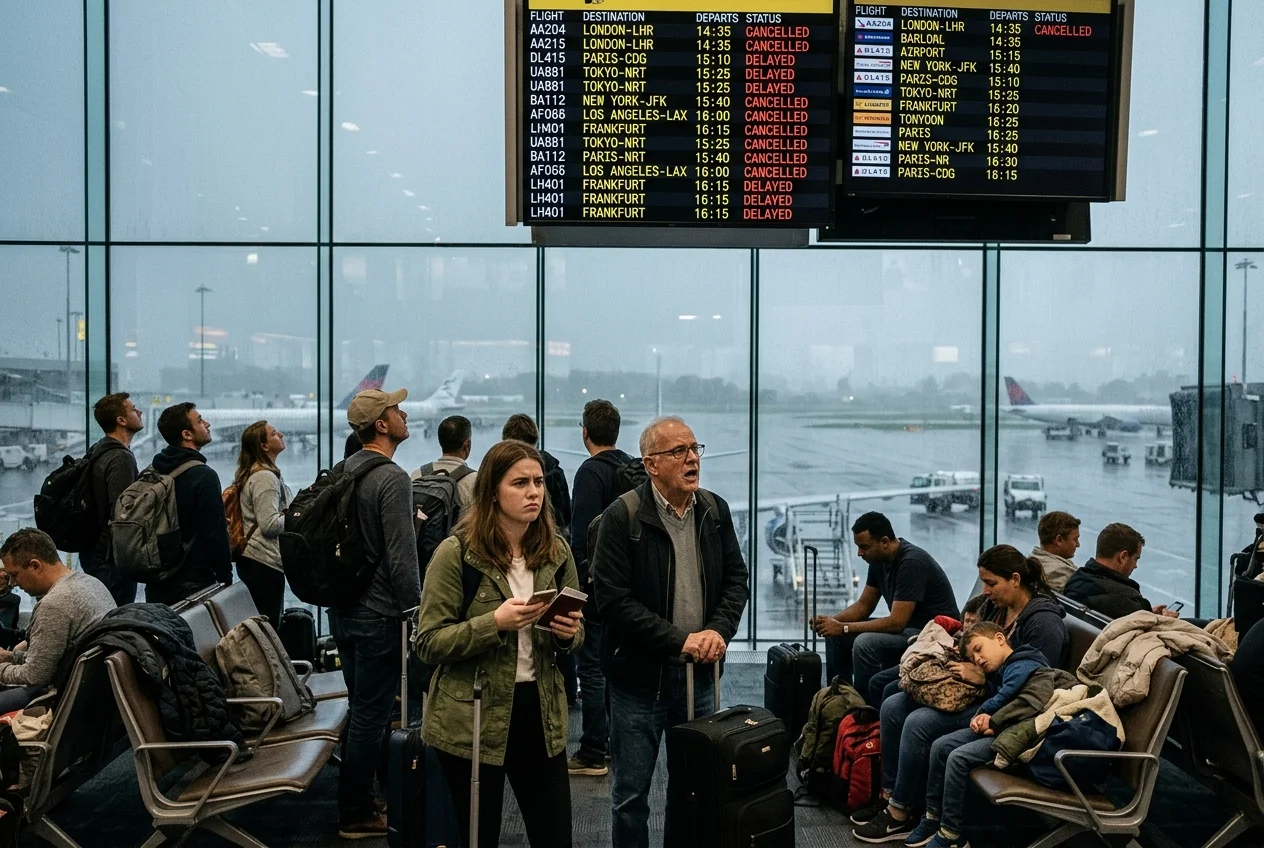
El Niño shifts the jet stream, and airlines feel it. Shifting storm tracks can move turbulence zones, force altered transcontinental routes, and create operational problems at hub airports during intense rain or wind events. The disruption cascades. One delayed bank of flights at a southern hub becomes missed connections and repositioned aircraft across the network.
The timing is unfortunate. These patterns coincide with the Thanksgiving and Christmas travel peaks in late 2026 and early 2027, when planes are fullest and rebooking options are thinnest. Travel insurance policies that explicitly cover weather disruptions, and flexible ticket options, become genuinely more valuable in this environment rather than just nice to have.
What it does on the ground
Flooding is the most common way El Niño ruins a trip without ever touching your flight. Assessments of previous events show the weak points repeat. Coastal highways flood first. Smaller regional airports with limited drainage close or divert flights. Low lying resort areas and beachfront roads take on water during king tides amplified by higher sea levels. In the Horn of Africa, where Good Trip does not currently operate, the same event is projected to bring heavy October to December rains with serious flood exposure, which shows the scale of what this El Niño can deliver.
In drier regions the ground risk is heat. Analyses after the 2023 to 2024 El Niño linked it to record breaking global temperatures and prolonged heat episodes across Europe, Asia, and the Americas. Agencies caution another period of exceptional heat remains possible during the 2027 warm season.
How to protect your trip
- Build buffer days around connections. Do not schedule a tight connection through a southern US hub or a small Pacific coast airport during the wet season. One extra night is cheaper than a rebooked holiday.
- Favor refundable bookings in weather sensitive destinations. Hotels and activities in flood prone coastal areas are where flexibility pays off.
- Check that your travel insurance covers weather disruption explicitly. Trip curtailment due to extreme weather is the clause that matters. Read it before you buy.
- Monitor official forecasts, not just your weather app. Follow NOAA and the National Weather Service for US travel, and the national meteorological service of your destination elsewhere. Seasonal outlooks update through the winter.
- Watch airline waiver pages before you rebook. Waivers for storms can appear at short notice, and rebooking under a waiver beats paying change fees.
- Pack for both outcomes. In drier regions, sun protection and water. In wetter ones, waterproof bags for documents and electronics, and shoes you can walk through a flooded street in.
- Have a ground transport backup. When coastal highways close, the travelers who keep moving are the ones who already knew the alternate route.
El Niño will fade toward neutral sometime in the second quarter of 2027, though the exact timing remains uncertain. Until then, the travelers who do best are not the ones who avoid entire regions. They are the ones who build slack into the plan and keep watching the sky.
Take Good Trip offline.
Culture tips, phrasebooks, scam warnings, and emergency data for Japan, Korea, Vietnam, Mexico, and 26 other countries.
Get Good Trip on the App Store →