Vietnam Hotel Scam: Fake Phu Quoc Resort Bookings

Fake hotel pages are not new in Vietnam. What changed this month is the scale, and one trick that makes the usual checks fail. On October 14, police in An Giang province announced they had broken up a ring that pretended to be 5-star resorts in Phu Quoc and took booking deposits from travelers who thought they were paying the real thing.
What happened
Police have charged and detained 10 people, with one more in temporary custody and 12 barred from leaving Vietnam. Officers had been tracking the group since April 2026, and the first arrests came in July. So far 60 victims have been identified. Seventeen of them sent money to bank accounts in the name of a company called KOKOSA.
Police reviewed 229 bank accounts with more than 6,000 billion dong flowing through them, about $230 million. Read that number carefully. It is the total money moving through the accounts, not the confirmed amount stolen from travelers. The confirmed victim count is 60 and still growing.
How the scam worked
The ring built websites and social media pages using the names and photos of real 5-star resorts in Phu Quoc. They bought ads and fake likes so the pages looked popular and trustworthy. When a traveler messaged to book, a friendly reply came back fast with a good price. Then came the deposit request, a bank transfer to hold the room. Once the money landed, the page blocked the victim or vanished.
The new twist is the bank account itself. Most hotel scams ask you to pay a personal account, which is a known red flag. This ring opened accounts in the names of shell companies that did no real business. A transfer to a company name looks like paying a real hotel. It was not. A company name on the account is no longer proof of anything.
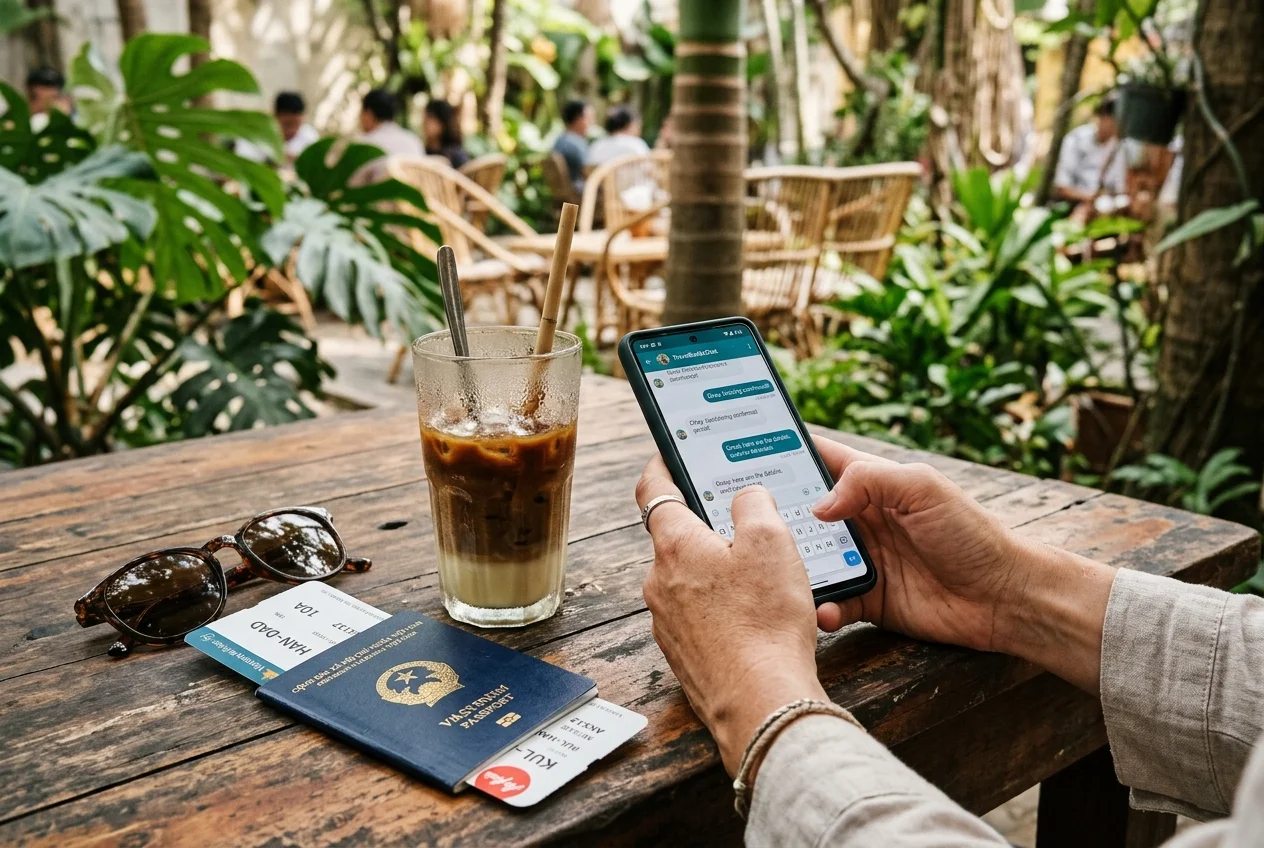
Red flags before you pay
The price is well below every other listing for the same resort. The page pushes you to pay a deposit today because only one room is left. Payment is bank transfer only, with no card option and no booking platform link. The Facebook page is new or was recently renamed, which you can check under About and Page transparency. Lots of followers and ads prove nothing, this ring bought both.
How to book safely in Vietnam
Book on the hotel’s official website or a major booking platform, and keep the payment inside the platform. If a page offers a deal over chat, call the hotel on the number from its official website or Google Maps listing and ask them to confirm the booking before you send anything. Never use the phone number the page gives you. Pay by credit card when you can, because card payments can be disputed and a bank transfer inside Vietnam is very hard to reverse.
Already paid a deposit
Call your bank immediately and ask them to stop or recall the transfer. Screenshot the page, the chat, the account details and your receipt. Report it to the police by dialing 113 and tell the real hotel its name is being used. And never pay a second amount to fix, unlock or refund the first one. That is the same scam coming back.
Phu Quoc has also launched a three-month campaign from October to December 2026 against online travel scams, with warning QR codes planned at the airport and ports. Good sign, but the checks above are still on you.
Good Trip covers the other big Vietnam traps in our Vietnam scams guide, and the app keeps the warnings offline for when you are standing at a front desk with no signal.
Sources: VnExpress: Police announcement on the fake 5-star Phu Quoc resort ring (October 14, 2026, in Vietnamese) , Visit Da Nang: Phu Quoc fake resort scam case write-up , Visit Da Nang: Fake hotel pages in Vietnam guide , AN Tours Vietnam: Phu Quoc three-month campaign against online travel scams .
Good Trip keeps local etiquette, scam warnings, emergency numbers, offline phrasebooks, and currency conversion on your phone. Download it before you fly.
Take Good Trip offline.
Culture tips, phrasebooks, scam warnings, and emergency data for Japan, Korea, Vietnam, Mexico, and 26 other countries.
Get Good Trip on the App Store →