Mexico Travel With Kids: New Law Requires Minor Paperwork
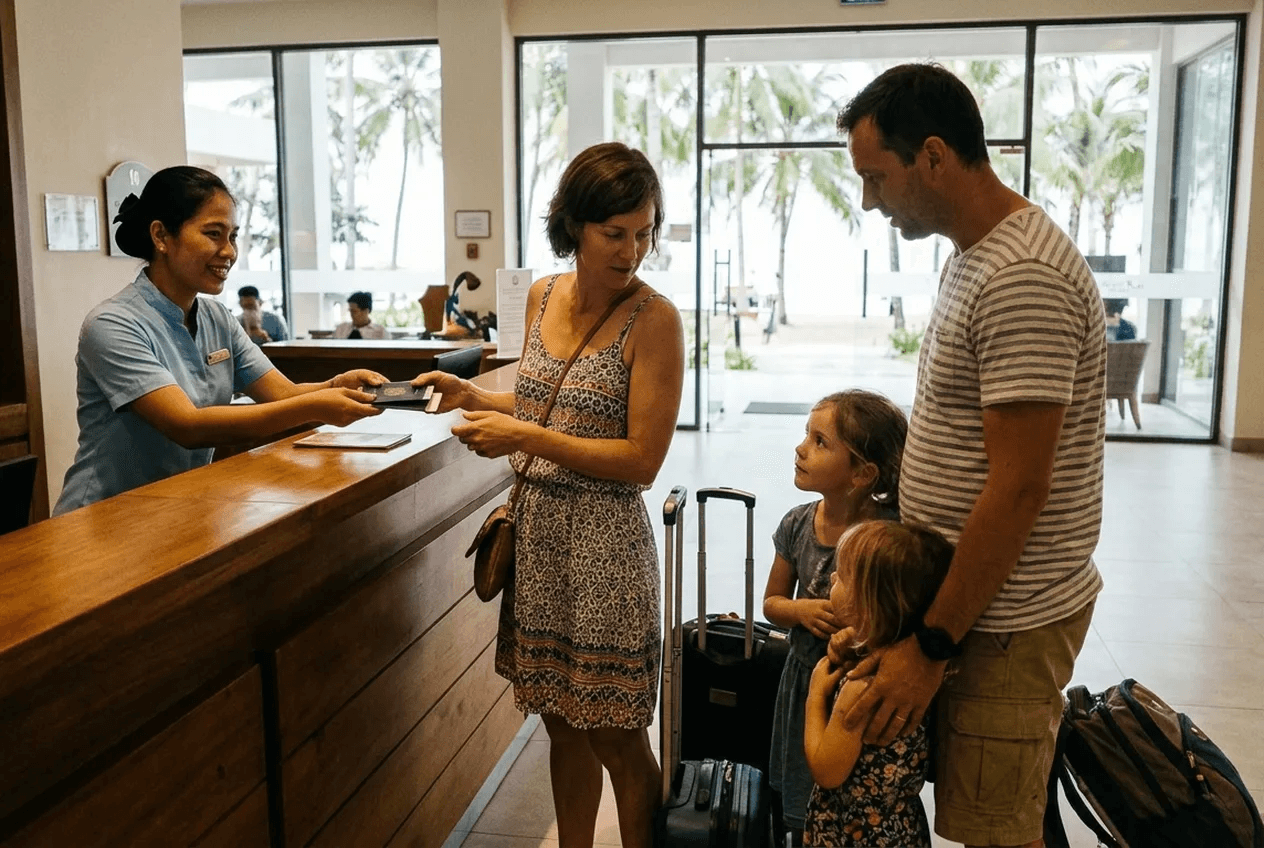
If you are traveling to Mexico with children this winter, there is a new rule you need to know about before you get to the hotel front desk. As of November 14, 2026, Mexican tourism businesses must check official documents proving your relationship to any child traveling with you, or your legal authority over them, before they provide the service. If you cannot prove it, the law says they must refuse service and notify the authorities.
This applies to parents, grandparents, aunts and uncles, family friends, and guardians. It applies to American and Canadian tourists. It applies whether you booked in person or online. And the awkward part is that the government has not published a list of which documents it will accept, so travelers need to confirm with each hotel and tour operator in advance.
What changed
On November 13, 2026, Mexico published a decree in the Diario Oficial de la Federación, the official government gazette, amending Article 58 of the General Tourism Law. The decree added two new sections, X Bis and X Ter, and it took effect the next day, November 14, 2026.
The new sections require tourism service providers to follow child protection protocols set by the authorities and to verify, before providing a service, that the adult accompanying a minor can prove kinship, parental authority, guardianship, or custody through official documents. The rule covers services provided in person and services booked through electronic means, which means it can come up at online check-in as well as at the front desk.
The purpose is child protection. The amendment is aimed at detecting crimes against minors in the tourism industry, and it shifts part of that responsibility onto the businesses that serve tourists.
Before the rest of the details, the practical starting points are our Mexico travel guide and our guide to the common scams in Mexico that target arriving families.
Who it affects
Anyone traveling with someone under 18. That includes:
- Parents traveling with their children
- Grandparents traveling with grandchildren
- Aunts, uncles, and other relatives traveling with minors
- Family friends traveling with someone else’s children
- Adults with legal guardianship or custody of a minor
Even a parent may need to establish that the child traveling with them is their child. The requirement applies nationally, with no exemption by nationality, so it covers American, Canadian, and other foreign tourists the same as anyone else.
Which businesses have to check
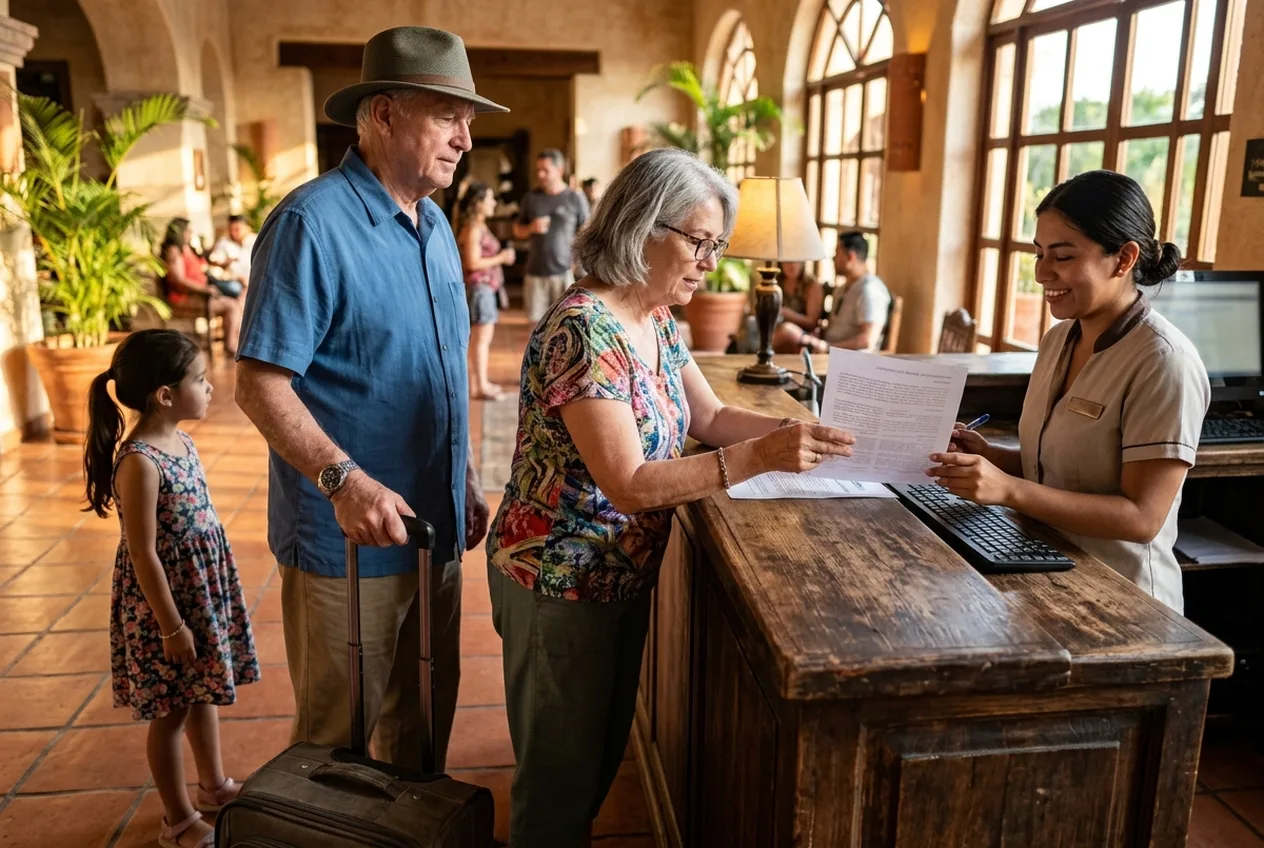
The requirement applies to tourism service providers, which can include hotels, resorts, vacation rentals, travel agencies, tour operators, excursion and activity providers, and transportation companies. The decree does not name every business or rental arrangement individually, so for a vacation rental booked online, ask your provider directly how it is applying the rule.
What documents to bring
This is the part travelers need to be careful about. The decree requires official documentation, but it does not provide a definitive list of acceptable documents. It does not say whether a consent letter from a parent who is not traveling is required, whether documents must be originals or whether copies will do, or whether foreign documents need a Spanish translation. Enforcement may vary by property, and front-desk staff are legally liable if they fail to comply, so many properties are likely to err on the side of caution.
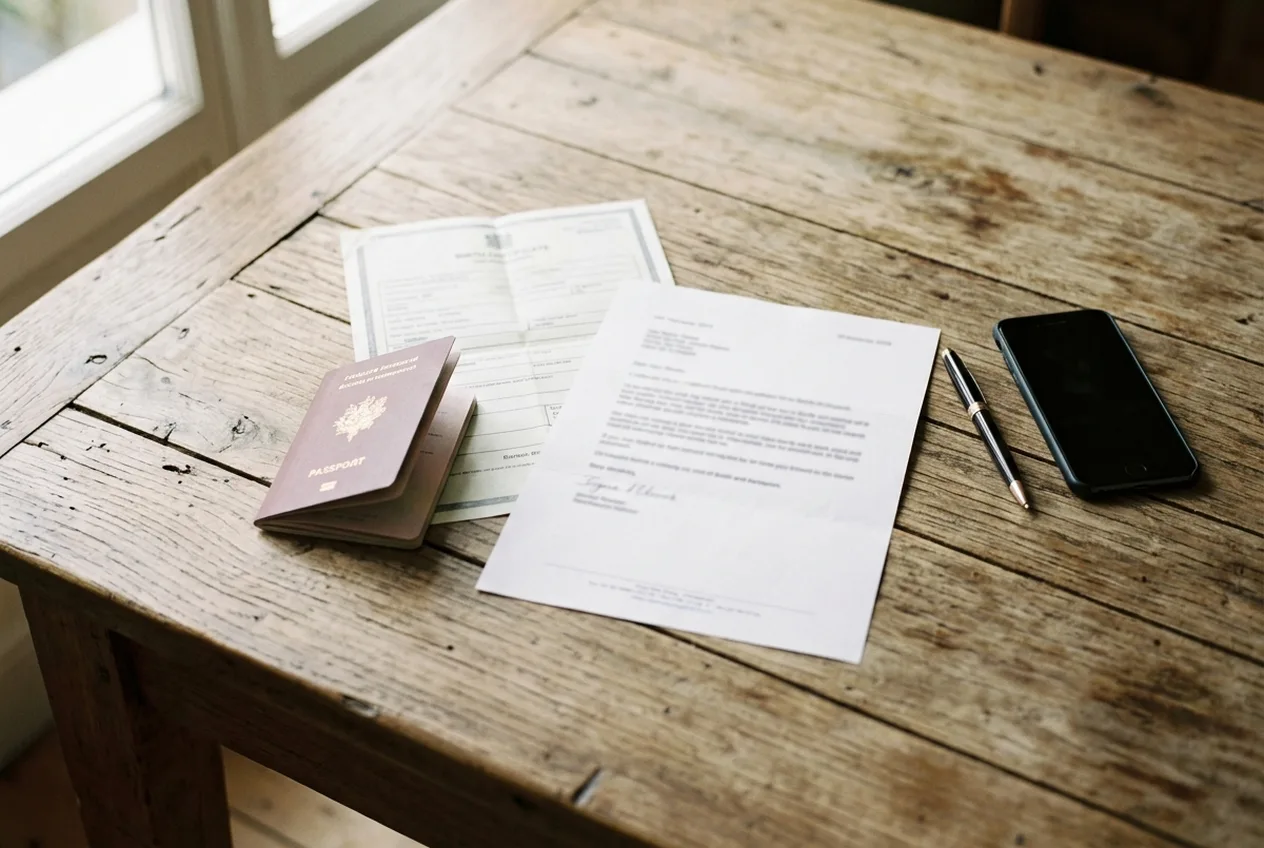
These are practical precautions, not an official checklist:
- Both parents traveling: bring the child’s valid passport and a copy of the child’s birth certificate, especially if parent and child do not share the same last name.
- One parent traveling alone: bring the birth certificate plus a signed consent letter from the other parent. Having it notarized is better.
- Grandparents, aunts, uncles, and other relatives: bring documents showing the family connection, for example the child’s birth certificate and the parent’s birth certificate for grandparents, plus a signed authorization letter from the parents and a copy of the parents’ ID.
- Friends and other adults who are not related: bring a signed authorization letter from the child’s parents or legal guardians, plus a copy of their ID.
- Legal guardians: bring official custody or guardianship papers.
- If names differ because of marriage, divorce, adoption, or a legal name change, carry supporting documentation that connects the names.
- Keep digital copies as backups, but confirm with your provider whether it will accept them.
The US Department of State advises carrying a copy of each child’s birth certificate or other proof of legal relationship when traveling abroad with minors.
What happens if you cannot provide documentation
If the required relationship or legal authority cannot be established, the provider must refuse service and notify the appropriate investigative authorities about the possible commission of an offense. That is the part that makes this more than an inconvenience. A family that arrives unprepared could be turned away at check-in, and the hotel is legally required to report it.
Getting answers before arrival is the way to avoid that situation. Contact your hotel, vacation rental provider, or tour operator before you travel and ask what documents it requires, what it accepts as proof, whether it requires a parental authorization letter and in what form, whether it requires originals or accepts certified or digital copies, and whether documents need a Spanish translation. Ask for the answer in writing and keep it with your travel documents.
What this does not change
The amendment changes what tourism providers must do under the General Tourism Law. It does not change Mexico’s immigration entry requirements or airline rules, and it does not change the separate rules for a minor’s departure from Mexico, including the SAM process where it applies. Children still need the travel documents appropriate to their nationality and circumstances, and airlines may have their own requirements for children traveling with an accompanying adult.
Why this matters now
The rule took effect with one day’s notice, and the lack of a published documents list means travelers are finding out about it from their hotels, or from other travelers, rather than from an official checklist. Canada updated its official travel advisory on November 18, 2026, alerting visitors that passing through airport immigration is no longer the final documentation hurdle for families. With the winter holiday season bringing families to Cancun, Los Cabos, Puerto Vallarta, and Mexico City, the families most likely to be caught out are the ones who booked months ago and have no reason to expect a new check at the front desk.

A birth certificate copy and a short email to your hotel before you fly cost almost nothing. Finding out at check-in costs a vacation.
Good Trip keeps Mexico’s entry and paperwork guidance on your phone, offline, for when you are standing at a hotel front desk with no signal.
Sources: Diario Oficial de la Federación, decree adding sections X Bis and X Ter to Article 58 of Mexico's General Tourism Law, published November 13, 2026, effective November 14, 2026. , Government of Canada, travel advice for Mexico, updated November 18, 2026, on the new documentation requirement for adults traveling with minors. , PVEverything, November 18, 2026. Traveling to Mexico With Children? What the New Tourism Law Requires. Decree details, affected travelers, and the absence of an official documents list. , Los Cabos Airport, November 20, 2026. Cabo With Kids: New Document Rule for Minors in Mexico. Federal requirement effective November 14, 2026, and the US State Department advice on carrying birth certificates. , The Cabo Sun, November 19, 2026. Traveling To Cabo With Kids? Mexico Just Enforced A New Hotel Check-In Rule You Need To Know. Refusal of service and notification of authorities, and the lack of fine print on accepted documents. , Forever Fun Travel, November 15, 2026. Traveling to Mexico With Kids: New Rules and What Documents to Bring. What to bring by traveling party, and that the decree sets no universal notarized letter requirement. .
Good Trip keeps local etiquette, scam warnings, emergency numbers, offline phrasebooks, and currency conversion on your phone. Download it before you fly.
Related guides
Mexico Scams 2026
The 10 scams costing Mexico visitors most in 2026: Cancun's airport gauntlet, timeshare fraud, police shakedowns, fake Visitax, and the rule that stops them.

Where to Travel for Christmas 2026
Christmas markets in Germany, France, Switzerland and Belgium, city lights in London and Tokyo, warm weather in Mexico and Thailand, with dates and watch-outs.
Mexico City Day of the Dead Parade Guide
Mexico City's Day of the Dead parade only began in 2016, inspired by a Bond film. Where the traditional celebrations happen, and the advisory to know.
Take Good Trip offline.
Culture tips, phrasebooks, scam warnings, and emergency data for Japan, Korea, Vietnam, Mexico, and 28 other countries.
Get Good Trip on the App Store →